
Skip to content

This information was reviewed and approved by Marjorie Patricia George, MD (5/15/2026).

Quick Links

What is Pulmonary Hypertension?


Pulmonary hypertension (PH) is high blood pressure in the lungs. It causes the arteries in the lungs to narrow. It also makes the right side of your heart work harder to move blood through the lungs.

Regular hypertension, or high blood pressure, is a very common diagnosis. This is the high blood pressure that affects the whole body. It is measured with a blood pressure cuff in the doctor’s office.

Pulmonary hypertension is different from the usual diagnosis of “high blood pressure.” PH is measured by special testing.

Pulmonary hypertension is a rare disease. According to the National Heart, Lung and Blood Institute, approximately 1 in 100 people are affected by PH.

Causes

Pulmonary hypertension is caused when the arteries in the lungs change. These changes can include blood vessel walls becoming narrow, stiff, thick, swollen or damaged. Some health conditions can damage, change and block blood vessels in the lung’s arteries.

General Risk Factors

Pulmonary hypertension can happen at any age. Risk factors for PH include having underlying heart disease (such as left sided heart failure) or lung disease (like emphysema, pulmonary fibrosis). Some types of pulmonary hypertension, for example pulmonary arterial hypertension, are more common in younger women.

Risk factors for pulmonary hypertension include:

Types of disease

There are five types or groups of pulmonary hypertension. According to the PH Association, they are grouped according to the underlying causes of the disease, and have different treatments focused on those causes.

Group NumberGroup Name, Description & CauseRisk Factors
Group 1

Pulmonary Arterial Hypertension (PAH)

  • Disease is in the lung arteries.
  • Caused by increased stiffness, narrowing or scarring in the pulmonary arteries.
  • Makes the heart struggle to pump enough blood through the lungs.
  • Family history
  • Connective tissue diseases (scleroderma, lupus)
  • HIV
  • Liver disease
  • Cocaine & meth use
  • Unknown cause (idiopathic)
Group 2

Pulmonary Hypertension Due to Left Heart Disease

  • Most common type of PH
  • Caused when the left side of the heart does not pump correctly and creates back pressure in the lungs
  • Makes the blood back up into the lungs and increase pressure in the pulmonary arteries
Group 3

Pulmonary Hypertension Due to Chronic Lung Disease

  • Caused by increased stiffness, narrowing or scarring in the pulmonary arteries in certain lung conditions
  • Makes the heart struggle to pump enough blood through the lungs
  • COPD
  • ILD/pulmonary fibrosis
  • Sleep disordered breathing
  • Chronic high elevation exposure
  • Lung developmental defects
  • Alveolar hypoventilation disorders
Group 4

Chronic Blood Clots or Obstructions (chronic thromboembolic pulmonary hypertension or CTEPH)

  • Blood clots in the lungs increase pressure and strain on the right side of the heart
  • Caused by blood clots that the body is unable to dissolve
  • Other obstructions in the pulmonary arteries can cause this type of PH.
  • History of blood clots
  • Blood clotting disorders
Group 5

Pulmonary Hypertension from Unknown Causes

  • Cause of this type is not well understood Makes the right side of the heart overwork to push blood through narrowed vessels
  • Secondary to other diseases
  • Blood disorders (sickle cell disease)
  • Systemic disorders (sarcoidosis & histiocytosis)
  • Metabolic disorders
  • Chronic kidney failure
  • Splenectomy

Prevention

Some types of pulmonary hypertension can be prevented with a healthy lifestyle.

  • Avoid methamphetamines.
  • Eat a heart-healthy diet — avoid processed foods and foods high in sodium and fat.
  • Exercise regularly.
  • Follow your doctor’s recommendations and treatment plans for other health conditions, including taking prescribed medications.
  • Quit smoking and using tobacco products.


Signs and Symptoms
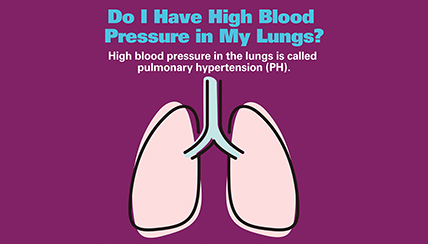

Healthy arteries in the lungs are elastic. They expand and contract with each beat of the heart. Early signs of pulmonary hypertension can include unexplained shortness of breath (especially during activity), fatigue, lightheadedness, and dizziness.

In pulmonary hypertension, these arteries stiffen and thicken. This increases pressure. Higher pulmonary pressure can lead to symptoms of pulmonary hypertension. These symptoms can affect the heart. It is important for anyone suffering from these symptoms or a family history of the disease to see a pulmonologist who specializes in the disease.

Common symptoms of pulmonary hypertension may include:

Call 911 if you have chest pain at rest, are coughing up blood or fainting.


Diagnosis


A diagnosis starts with a review of your medical history. It also can include a physical exam, basic bloodwork and a heart imaging test called an echocardiogram. Other testing is often done to rule out chronic blood clots and to assess lung function and sleep apnea.

Treatment options for PH have improved significantly over the last 20 years. Many patients maintain good quality of life and longevity, often extending far beyond initial life expectancy, with some living up to 20 years.

Breathing and Exercise Tests

Pulmonary function test: This test measures how much air your lungs hold and how much air moves in and out of your lungs.

Six-minute Walk test: This test determines your exercise capacity and needs for oxygen therapy.

Cardiac Tests

Echocardiogram (Echo): This is an ultrasound sound of the heart, and it is the first step in diagnosing pulmonary hypertension, which can provide an estimate of the pressure in the lungs.

Imaging Tests

Chest X-ray: This X-ray can show signs of enlarged right heart ventricle, pulmonary arteries, emphysema and scarring of the lungs.

Ventilation/perfusion scan or VQ scan: This test identifies chronic blood clots and overall health of the lungs.

Lab Tests

Blood tests: Samples of your blood can check oxygen levels, liver and kidney function, collagen vascular disease, thyroid problems, signs of infections and HIV antibodies.

Sleep Tests

Sleep study or nighttime oxygen test: A sleep study monitors sleep patterns, blood oxygen levels, heart rate and breathing during sleep. Low oxygen levels can contribute to pulmonary hypertension.

Diagnostic Procedures

Electrocardiogram (ECG): This procedure records the electrical impulses of the heart.

Right heart catheterization (RHC): This procedure is the gold standard for diagnosing pulmonary hypertension. It determines if pulmonary hypertension is present by directly measuring blood pressure in the lungs. Doctors use the pattern of numbers from the heart catheterization, along with the patient’s other testing, to diagnose pulmonary hypertension.


Treatment


Treatment of pulmonary hypertension depends on the cause. In most cases, pulmonary hypertension cannot be reversed but can improve symptoms and the ability to move. Treatment also can help delay progression of the disease, and most importantly, improve your quality of life.

Medications

Pulmonary hypertension medications come in different forms: oral, inhaled, intravenous (through an IV catheter and small pump) and subcutaneous (with a subcutaneous catheter and small pump), and injection. Pulmonary hypertension medications include:

Calcium channel blockers. This type of medications relaxes pulmonary arteries, reduces vessel resistance and lowers blood pressure. Calcium channel blockers are not effective for every patient with pulmonary hypertension.

Vasodilators. This treatment relaxes and opens blood vessels that have narrowed to improve blood flow. It also reduces the heart’s workload. Vasodilators are generally used to treat Group 1 or pulmonary arterial hypertension.

  • Phosphodiesterase-5 (PDE-5) inhibitors: Sildenafil and tadalafil improve exercise capacity and lung function.
  • Soluble guanylate cyclase stimulator: Riociguat improves exercise capacity and relaxes blood vessels, which delays the disease from getting worse.
  • Endothelin receptor antagonists (ERAs): These medications reduce blood vessel constriction.

Prostacyclin pathway medications. These medications may improve symptoms, exercise tolerance and sometimes survival. While these medications can provide significant improvement, they require cautious dosing and have many side effects. They should be managed at pulmonary hypertension programs experienced with their use.

Activin Signaling Inhibitor. Sotatercept (Winrevair®) helps balance signals in the lungs that can make blood vessels become too thick and narrow. This may help blood move more easily through the lungs and help the heart work less hard.

In treating pulmonary arterial hypertension, patients are often started on multiple medications at the same time or in quick succession. This combination therapy works by attacking the disease through different pathways.

Other treatments for pulmonary hypertension can include:

Blood thinners. People who have pulmonary hypertension due to chronic blood clots, known as chronic thromboembolic pulmonary hypertension (CTEPH) are often treated with blood thinner medication. In patients with CTEPH, lifelong treatment with a blood thinner is crucial to prevent more blood clots.

Diuretics. This medicine removes excess fluid and salt from the body which makes it easier for the heart to work. This medicine also can help relieve fluid buildup in the lungs and extremities and help prevent right heart failure.

Heart medication and sodium restriction can help when pulmonary hypertension develops into heart failure.

Therapies

Therapies for pulmonary hypertension can include supportive and lifestyle therapies that address immediate symptoms and help stabilize the condition.

Procedures

A lung or combined heart/lung transplantation may be appropriate in people who have progressive pulmonary hypertension disease that has not responded to medical therapy. Surgery may be used to remove chronic blood clots and scar tissue in CTEPH.

Lifestyle Management

Living with pulmonary hypertension includes making healthy lifestyle choices.

Coping

  • Seek help for anxiety, depression and other emotional and social needs.
  • Support your mental health (mental health is health).
  • Use your support system.

Eating

Oxygen

  • Be cautious of high altitudes because that air has less oxygen.
  • Use oxygen as prescribed.

Physical Activity

Pregnancy

  • Talk with your doctor before getting pregnant (it is generally best to avoid pregnancy with PH).

Preventive Care

  • Get regular preventive care.
  • Get flu, pneumonia, and COVID vaccines.

Sleep

Smoking and Drugs

  • Avoid harmful substances.
  • Quit smoking.
  • Do not use meth or cocaine.

Spa

  • Stay out of hot tubs and saunas, which can lower your blood pressure especially when on PH medications.

Learn more about living with pulmonary hypertension through the Pulmonary Hypertension Association.

Clinical Trials

Clinical trials help determine new treatment options for diseases and conditions. Patients with pulmonary hypertension have access to clinical trials. Speak to your doctors to determine which trials may work best for you.


When to See a Specialist


If you or a loved one has symptoms of pulmonary hypertension or you are at risk of developing this disease, it is important to be evaluated by a pulmonologist or cardiologist who specializes in treating PH.

At National Jewish Health in Denver, Colorado, we have one of the region’s leading pulmonary hypertension programs. Our program is accredited as a Comprehensive Care Center by the Pulmonary Hypertension Association. Learn more about our Pulmonary Hypertension program or use the button below to make an appointment.