
High Blood Pressure
This information was reviewed and approved by Andrew M. Freeman, MD, FACC, FACP (6/1/2026).
What Is High Blood Pressure?
High blood pressure, also called hypertension, occurs when the force of blood pushing against artery walls stays too high over time. The heart is a fist-sized organ that beats about 100,000 times per day and pumps about five quarts of blood per minute. When the heart beats, it creates pressure that pushes blood through arteries, veins and capillaries. As the heart works extra hard to pump blood, the arteries strain to carry blood throughout the body, causing high blood pressure or hypertension. Blood pressure naturally rises and falls, but persistent elevation increases strain on the heart and blood vessels.
High blood pressure is common and often develops silently. Many people do not know they have it until it is found during a routine check. Approximately 122 million people in the United States have high blood pressure, according to the American Heart Association. Roughly 50% of US adults have high blood pressure.
Types
Primary (essential) hypertension is the most common form of high blood pressure. It develops gradually over time and does not have a single identifiable cause. Genetics, aging and lifestyle factors such as diet, physical activity and stress may contribute to this condition.
Secondary hypertension occurs when high blood pressure is caused by another medical condition. These conditions may include kidney disease, thyroid problems, sleep apnea or certain medications. Treating the underlying condition can often help improve blood pressure.
Causes
High blood pressure can develop for many reasons, and in many cases several factors work together over time. Genetics and aging both play an important role, but lifestyle factors are the major contributors. Diets high in sodium (salt), lack of physical activity, obesity, chronic stress, poor sleep / sleep apnea, smoking and excess alcohol use can all increase strain on the heart and blood vessels. Conditions such as diabetes, high cholesterol and sleep apnea are also closely linked to hypertension because they affect blood vessel health and circulation.
Some people develop high blood pressure because of an underlying medical condition or medication. Kidney disease is one of the most common causes because the kidneys help regulate blood pressure and fluid balance. Hormone disorders involving the adrenal glands or thyroid can also lead to hypertension. Certain medications, including steroids, decongestants and some birth control pills, may raise blood pressure as well. In these cases, treating the underlying condition or adjusting medications may help improve blood pressure control.
Risk Factors
The exact cause of hypertension is not known, but there are a number of factors that increase the risk of developing hypertension.
- Age — As people get older, the arteries can stiffen and narrow as plaque builds up.
- Alcohol — Consumed regularly in large amounts, alcohol can increase blood pressure. Even “normal” amounts of alcohol can raise blood pressure.
- Diet — To prevent fatty tissue buildup and becoming overweight, avoid eating processed and fatty foods and adopt a healthy diet.
- Ethnicity — People who are African American, American Indian/native Alaskan, Asian, native Hawaiian or other Pacific Islanders have a significantly greater chance of developing hypertension than people who are Caucasian or Hispanic.
- Family history of high blood pressure — One or more close family members with hypertension increases your risk of developing the condition.
- Obesity — An increase in fatty tissue throughout the body makes the heart work harder to push blood through the circulatory system.
- Physical inactivity — Lack of physical activity is linked to obesity, which is linked to high blood pressure. Increasing activity and exercise can help lower your weight and blood pressure.
- Potassium — Not eating enough foods with potassium can increase blood pressure and the risk of stroke and chronic kidney disease.
- Salt excess — In susceptible individuals, too much salt can raise blood pressure. The World Health Organization (WHO) suggests that sodium in processed food plays a role in high blood pressure.
- Stress — Reacting to stress in unhealthy ways or not managing your stress can increase your blood pressure.
- Tobacco – Smoking can increase blood pressure. Giving up smoking is important for your health.
It’s important to know your blood pressure numbers and when they go up or down. Early detection of heart disease is important to early intervention and preventing death.
Signs and Symptoms
Hypertension is called the “silent killer” because it generally does not have symptoms that warn you about a developing problem.
There are no signs of high blood pressure in many cases, so most people don’t even know they have it until a health care provider tells them. If you have a family member with high blood pressure, you have an increased risk of developing this condition. The only way to know if you develop hypertension is having your blood pressure checked regularly and noticing any changes in your blood pressure readings.
The most important sign of high blood pressure is your blood pressure reading.
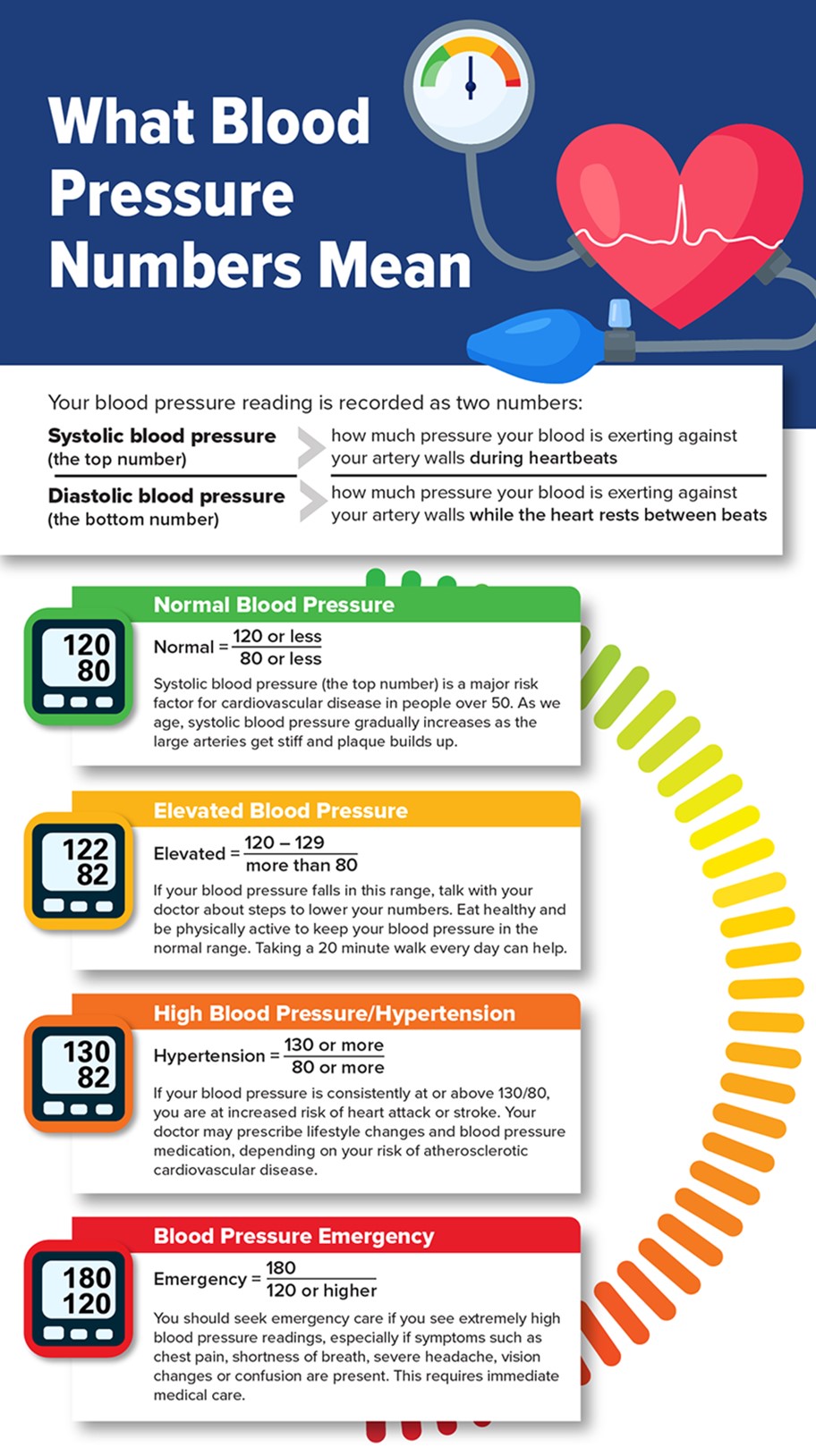
Other less common symptoms that may be related to high blood pressure include:
- Blood spots in eyes: It is common for people with diabetes or high blood pressure to develop blood spots in the eyes, even though it is not caused by either condition.
- Blood in urine: Kidney disease can cause high blood pressure. Blood in the urine is a sign of kidney disease. If you have high blood pressure, you are more likely to have kidney disease.
- Chest pain: Untreated high blood pressure strains and damages the heart over time and causes a slow buildup of plaque, which leads to a heart attack. Chest pain is the most common symptom of a heart attack.
- Difficulty breathing: High blood pressure reduces blood flow to the lungs and can make it harder to breathe. Seek medical care immediately if you have difficulty breathing.
- Facial flushing: When blood pressure is temporarily higher than normal, the face can flush or turn red. This can happen during exercise, emotional stress and exposure to heat, and when consuming alcohol, hot drinks or spicy food.
- Dizziness: Often a side effect of medications, dizziness can also be caused by inner ear disturbance, motion sickness and dehydration. Sudden dizziness can be a warning sign of a stroke. High blood pressure is a major risk factor for stroke.
- Headaches or nosebleeds: Blood pressure that is very high, 180/120 mm Hg or higher, can cause headaches or nosebleeds and is considered a medical emergency.
- Irregular heartbeat: Heart palpitations can increase blood pressure and cause anxiety and related symptoms to get worse.
- Pounding in your chest, neck or ears: Sometimes exercise causes a feeling of pulsing or pounding in the ears, neck or chest. Increased blood pressure, too much caffeine and anxiety can also cause that sensation.
If left untreated, high blood pressure can lead to:
- Heart attack
- Heart failure
- Kidney disease
- Stroke
- Vision loss
Diagnosis
The best way to diagnose high blood pressure (hypertension) is to have your blood pressure measured with a pressure cuff.
During the test, the cuff is placed around the upper arm before being manually or electronically inflated. Once inflated, the cuff compresses the brachial artery and momentarily stops blood flow. Then air in the cuff is slowly released while the person performing the measurement listens with a stethoscope.
Because readings can vary, diagnosis is not based on a single measurement. Doctors usually confirm hypertension with:
- Multiple readings taken on different days
- Home blood pressure monitoring
- Ambulatory blood pressure monitoring, which measures blood pressure over 24 hours
These methods help rule out temporary or stress-related increases.
Treatment
High blood pressure treatments vary and commonly include taking medications and living a healthy lifestyle.
Medications
There are many different types of high blood pressure medications. Your doctor will prescribe what is best for you. It’s important to take your medication as prescribed. Don’t stop or change the dose or frequency of the medicine without talking with your doctor. Remember to report all side effects that you experience.
- ACE inhibitors help the blood vessels relax and open up, which lowers blood pressure.
- Alpha-2 receptor agonists decrease adrenaline production in the involuntary nervous system, which lowers blood pressure.
- Alpha blockers reduce resistance in the arteries and relax the muscle tone of the vascular walls.
- Angiotensin II receptor blockers block angiotensin, a chemical in the body that narrows arteries, to keep the blood vessels open and reduce blood pressure.
- Beta blockers reduce the heart rate, how hard the heart works and how much blood the heart pumps to lower blood pressure.
- Calcium channel blockers prevent calcium from entering the smooth muscle cells of the heart to relax and open up narrowed blood vessels, and to reduce heart rate and blood pressure.
- Central agonists decrease tensing and contractions in the blood vessels to reduce blood pressure.
- Diuretics help the body remove excess sodium (salt) and water to help control blood pressure.
- Peripheral adrenergic inhibitors block neurotransmitters in the brain from sending a message to the heart muscle telling it to constrict (have a heart attack).
- Vasodilators relax and widen the walls of the blood vessels so blood flows through better.
- ERAs
- ASIs
- PDE5s
- Nitrates
Lifestyle Management
These lifestyle changes can reduce your risk of heart disease, stroke, kidney disease and more, while helping you feel better and enjoy a better quality of life.
- Drink: Stay hydrated, and avoid alcohol consumption.
- Exercise: Take a 30-minute brisk walk daily five days a week (or more) to improve and maintain heart health. The goal is to be mildly short of breath (i.e., challenged) with exercise. Exercise is your best medicine for reducing blood pressure and avoiding heart disease. Be sure to talk with your doctor about developing an exercise plan to meet your health needs.
- Eat Nutritiously: Eat a well-balanced diet that limits or avoids salt, high fat and processed foods. A diet that limits animal products, and is more whole-food and plant-based has been proven to not only lower blood pressure, but also reduce overall heart disease risk.
- Know Your Numbers: Blood pressure, blood sugar, cholesterol, etc., are all important numbers to know and watch.
- Relax: Reduce and manage stress with exercise, breathing techniques, yoga or meditation. Remember, the medical word for high blood pressure is hypertension (too much tension). Spend 30 minutes a day letting go of as much stress as possible.
- Take the Right Medications: Follow your doctor’s medication treatment plan consistently.
- Watch Your Weight: Get to and maintain a healthy weight to help take strain off your heart. Losing just a few pounds can significantly reduce blood pressure.
- Quit Smoking: This is one of the most important lifestyle changes that can improve your health almost immediately.
Living with high blood pressure and managing hypertension is a long-term process. Many people successfully control their numbers with consistent care.
Living well with hypertension often includes:
- Regular blood pressure checks
- Taking medications as prescribed
- Ongoing lifestyle changes
- Follow-up visits with your health care provider
Knowing your numbers and responding early to changes can help prevent complications.
When to See a Specialist
It’s important to be evaluated by a cardiologist if you or a loved one:
- Has symptoms of high blood pressure
- Has persistently elevated blood pressure
- Would like strategies to help improve your current treatment of high blood pressure
At National Jewish Health in Denver, Colorado, we have one of the world’s leading cardiology programs. Learn more about our program or use the button below to make an appointment.
 Programs and Services
 Clinical Trials
For more than 100 years, National Jewish Health has been committed to finding new treatments and cures for diseases. Search our clinical trials.