Asthma Causes Linked to Genetics
It is widely accepted that asthma is a disease that can be inherited. However, the gene or genes involved are not yet clearly identified. Some researchers believe that the genes linked to asthma involve the lungs and the immune system. It is well known that the atopic diseases — atopic dermatitis, allergic rhinitis and asthma — are commonly found together in one form or another within families.
Childhood Development
The early months and years of a child's life are critical times during which a baby can develop or become susceptible to developing asthma. In some cases, an infection can cause inflammation and injure lung tissue. If the baby is exposed to secondhand smoke at this time, more damage to the lungs may occur and change how the lungs function. Abnormal development and growth of the lungs can also increase a person's risk for developing asthma. Premature babies born with lungs not fully developed are more susceptible to colds and other respiratory infections, which can cause inflammation and injury.
The Immune System's Role
Many studies have shown that children and adults with asthma have an immune system that responds differently compared to those without asthma. Many of these people with asthma are sensitive to allergens and will react to things that do not cause problems in others. Their immune system overreacts when they come in contact with everyday substances such as pollens, mold or animal dander. In some cases, the immune system may overreact to other substances, such as viruses or bacteria, and increase the risk of asthma and resulting asthma attacks.
Environmental Exposures
There are many non-allergic or non-immunologic exposures in the environment that can increase the chance of developing asthma. Long-term exposure to irritants, such as secondhand smoke in the home, is a major risk factor for developing asthma. Other exposures include indoor chemicals and air pollution. Some studies suggest that certain infections or allergy exposure during the first years of life may also affect the development of asthma.
More research is being done to better understand the role of genetics, infections, exposures and the immune system in the development of asthma and other allergic disorders. This information may help to prevent the development of these problems in the future.
Asthma Triggers
People with asthma often have chronically inflamed (swollen) airways. Therefore, the airways are sensitive to things that make asthma worse. These, either individually or together, are the asthma triggers that cause symptoms. Identifying and controlling or treating asthma triggers, which make asthma worse and vary from person to person, is essential for good asthma management. It is helpful to think about your last asthma attack. During the attack, did you experience any of the situations described on this page? If so, discuss this information with your health care provider.
Allergens
A variety of allergens can make asthma symptoms worse, but it is important to note that not all people with asthma have allergies. Reliable and valid allergy tests are available, and a board-certified allergist can guide you through this process.
Common allergens include:
- Animal dander
- Cockroaches
- Dust mites (a major component of house dust in humid climates)
- Foods
- Medications
- Mold
- Pollen
- Saliva and urine from feathered or furry animals
If you are allergic to any of these substances, making changes in your environment to control or avoid contact with the allergen is very important. It is also important to know what allergens are in your home and how they can contribute to asthma worsening or to an asthma attack. Ask your health care provider about environmental control and read more about the relationship of allergies to asthma.
Changes in Breathing Patterns
Sneezing, laughing, stress, holding your breath and sleep disorders may cause changes in breathing patterns, which may make asthma worse. It is not always possible or desirable to avoid these situations. However, good asthma management may minimize these effects.
Emotions
Emotions do not cause asthma but can make asthma worse, because strong feelings can lead to changes in breathing patterns. However, it is important to express your emotions, and good asthma management can minimize the effect of stress.
Exercise
Exercise or physical activity can be an asthma trigger. For some, it may be the only cause of asthma symptoms. However, exercise is important for everyone and should not be avoided. With the help of your healthcare provider and appropriate treatment, you should be able to exercise without limitations from your asthma.
Gastroesophageal Reflux
For certain people, the muscle between the esophagus and stomach may not work well. This can allow the backflow of stomach acid into the esophagus, airway, throat or mouth. This may cause heartburn, but can sometimes manifest as cough, throat clearing, or worsening asthma control. Other people have a slightly abnormal swallow that predisposes to entry of food particles or acid reflux into their lungs, termed airway aspiration. Asthma symptoms that are worse overnight, associated with eating, or accompanied by heartburn, can indicate co-morbid gastroesophageal reflux and/or aspiration. These conditions need to be addressed in order to achieve optimal asthma control.
Infections
Infections can also make asthma worse. Common cold viruses, respiratory infections, sinusitis, COVID-19, and influenza frequently cause an increase of asthma symptoms. As a result, your health care provider will likely recommend an annual flu vaccination and staying up to date with COVID-19 vaccines.
Irritants
Substances found in the environment can irritate sensitive airways.
Common ones include:
- Aerosol sprays
- Air pollution
- Cigarette smoke
- Dust
- Smoke (such as tobacco smoke, wildfire smoke and smoke from wood-burning or kerosene stoves and fireplaces)
- Strong odors (like perfumes, cologne and gasoline fumes)
Cigarette smoke is a particularly serious asthma trigger. If you have asthma, do not allow smoking in your home or car and always look for non-smoking sections in public areas.
Sinusitis
Many people with asthma also have chronic sinusitis. Sinusitis is an inflammation of the mucous membranes that line the sinus cavities. This can interfere with normal sinus drainage and cause increased mucus production, which can lead to nasal and sinus congestion and drainage down the back of the throat, known as postnasal drip. Sinusitis can make asthma worse, especially at night. A sinus infection can also significantly worsen your asthma or your child’s asthma. Many sinus infections are caused by viruses, which do not require antibiotics, but others are caused by bacteria and would need treatment with an antibiotic.
Weather
There are certain weather events that may cause problems for some people with asthma in any climate. Talk to your provider about how weather may be affecting your symptoms and how to decrease the impact. Common strategies include staying inside on high-pollution days and wearing a mask or face covering outdoors. Some weather situations that may make asthma symptoms worse include:
- Changes in the humidity or barometric pressure
- Exposure to wildfire smoke
- Extremely hot or cold temperatures
- Windy conditions
Signs and Symptoms
Asthma symptoms can range from very mild to severe. Some people with asthma have only occasional symptoms, and some have seasonal symptoms.
Others have a more chronic form of the disease and experience symptoms such as a chronic cough, shortness of breath or activity limitation weekly or daily. Some people have asthma attacks, in which symptoms develop suddenly and are severe.
You or your child can learn to recognize the signs of asthma, while taking precautions to decrease the exposure to triggers and the severity of asthma attacks. It is important to recognize and treat even mild symptoms. This can help decrease the amount of inflammation and reduce the risk of a more serious asthma flare-up.
If severe asthma symptoms are present, it is vital to start the appropriate treatment immediately. Accurate and timely assessment of symptoms can help you and your clinician decide if treatment should begin in the home, at your clinician's office or in the emergency room.
Asthma Attack Early Warning Signs
Early warning signs are experienced before the start of an asthma attack. By recognizing these clues, people with asthma can have a head start on treatment. These signs can be different for each person and can change between attacks. Some early warning signs may be noticed only by the individual experiencing them, while other early warning signs are more likely to be noticed by others. In addition, a downward trend in peak flow numbers can be a reliable early warning sign. Some examples of early warning signs are below:
- Breathing changes
- Coughing
- Downward trend in peak flow number
- Feeling tired
- Moodiness
- Poor tolerance for exercise
- Signs of viral illness or allergies (sneezing, runny/stuffy nose, headache, dark circles under eyes, ear/throat itching) since viruses and allergies are common triggers for asthma attacks.
- Trouble sleeping
Asthma Attack Symptoms
Asthma symptoms can indicate that an asthma attack is occurring. Changes have taken place in the airways, and airflow is obstructed. People with asthma should take action to treat these symptoms before they become worse. Talk with your health care provider about having a written asthma action plan. Examples of asthma attack symptoms include:
- Coughing
- Peak flow numbers in the caution or danger range (usually 50% to 80% of personal best)
- Shortness of breath
- Tightness in the chest
- Wheezing
Severe Asthma Attack Symptoms
Severe asthma symptoms are a life-threatening emergency. If any of these severe asthma symptoms occur, seek emergency medical treatment right away, since these symptoms indicate respiratory distress. Examples of severe asthma symptoms include:
- Breathing that is shallow and fast or that is slower than usual
- Difficulty talking or concentrating
- Gray or bluish tint to skin, beginning around the mouth (cyanosis)
- Hunched shoulders (posturing)
- Inward movement of the neck and the area between or below the ribs with breathing (retractions)
- Nasal flaring (nostril size increasing with breathing)
- New shortness of breath even while walking
- Peak flow numbers in the danger zone (usually below 50% of personal best). You can learn more about the importance of peak flow monitoring here.
- Severe coughing, wheezing, shortness of breath or tightness in the chest
Associated Conditions
There are multiple conditions associated with heightened asthma symptoms. There are also several conditions that can be mistaken for asthma in certain cases. As always, it’s best to consult with your doctor to determine whether your current condition may be worsening aspects of your asthma.
Allergies
Allergies and asthma are closely connected because both involve an overreaction of the immune system. In people with allergic asthma, exposure to allergens such as pollen, dust mites, mold or pet dander can trigger inflammation and narrowing of the airways, leading to asthma symptoms like coughing, wheezing and shortness of breath. Allergies can worsen asthma symptoms and make asthma attacks more likely, especially when allergy symptoms are not well controlled.
Chickenpox
Chickenpox (varicella) used to be one of the most common childhood viral diseases. It’s also a condition that can aggravate asthma symptoms, causing severe respiratory issues in some cases. Although chickenpox is highly contagious, it can be prevented with a safe and effective vaccine. If your child has asthma and contracts chickenpox, make sure to contact your doctor immediately.
Gastroesophageal Reflux (GERD)
Gastroesophageal reflux, or GERD, occurs when the acidic contents of the stomach flow back up into the esophagus. This stimulates a reflex that may cause asthma to worsen. Symptoms of heartburn and breathing difficulty at night can indicate GERD.
Pregnancy
When you become pregnant, you may notice many physical and emotional changes. Joy and wonder are often mixed with concerns about your health and the health of your unborn child. Studies show that having asthma does not increase your chances of having a baby with birth defects, particularly if you keep your asthma under good control during pregnancy. Further studies show that asthma can be controlled during pregnancy with little or no risk to you or your baby. Talk to your healthcare provider about how best to manage your asthma symptoms during pregnancy. This may include more frequent follow-up, as symptoms can change within a pregnancy.
Vocal Cord Dysfunction
Vocal cord dysfunction (VCD) symptoms occur at rest or during exercise and can be mistaken for asthma. Similar to asthma, VCD causes difficulty breathing, which can be severe in some cases. Learn more about what happens during VCD, as well as how it’s diagnosed, triggered and treated here.
Diagnosis
Asthma symptoms can develop at any time. The amount of difficulty a person has with asthma often changes with age. The airways of an infant/toddler can become obstructed more easily because of their smaller size. This age group can be prone to more noticeable symptoms. As the child’s airways grow larger, these symptoms can decrease in some cases, but this is not always the case.
Many people do not experience long-term physical effects of asthma. However, for children, chronic and poorly controlled asthma with need for frequent oral steroids may have a slowing effect on growth and may result in reduced lung function as an adult. As with any chronic illness, there may be an emotional impact on adults and children with asthma. Emotions such as anger, fear, inferiority, depression and guilt may be experienced.
The first step in asthma diagnosis is a good evaluation. In many cases, an asthma diagnosis is based upon your history and symptoms at the time of evaluation. Family history should also be considered during an asthma test, as a positive family history increases a person's chances of developing asthma.
With a younger child, recurrent episodes may be experienced before an actual diagnosis of asthma is made. The family history and the child’s allergy history should also be considered, as these increase the child’s chances of developing asthma.
While asthma is commonly diagnosed in childhood, there is increasing recognition of what is described as adult-onset asthma. This can develop in people at any point in adulthood, even without a history of asthma as a child.
When to Test for Asthma
Many people see a family doctor or pediatrician for asthma care. Your doctor may choose to have you or your child seen by a specialist, such as a pediatric allergist or pulmonologist (lung specialist). See a doctor for asthma if any of the following apply:
- Allergies are being considered
- Asthma seems to be getting worse
- Conditions that complicate asthma such as chronic sinusitis, nasal polyps or vocal cord dysfunction
- Confusion with the diagnosis
- Frequent treatment with steroid tablets or syrup (more than 1-2 times per year)
- Poor or no response to medications
- Severe asthma episode
- Several visits to urgent care or emergency room or hospitalization during the last year
Breathing and Exercise Tests
Bronchial provocation test: The bronchial provocation test evaluates how sensitive the airways in your lungs are. A spirometry breathing test is done before and after you inhale a spray such as methacholine. The spirometry results are compared before and after you inhale the spray to see what changes there are in your breathing.
Exercise-induced bronchoconstriction test: Exercise induced bronchoconstriction or EIB, is a combined breathing and exercise test. The test can help identify what type of breathing trouble you have, if any, when you exercise. A spirometry breathing test is done before and after you exercise on a treadmill. Spirometry can show how much air you can breathe in and out. It also shows how fast you can breathe in and out. The spirometry results are compared before and after you exercise to see what changes there are in your breathing.
Exhaled nitric oxide Test: Exhaled nitric oxide testing is a simple way to measure airway inflammation. The results from this test make it easier for you and your doctor to monitor your asthma and find the best treatment plan for you. These tools are recommended by the National Heart, Lung, and Blood Institute (NHLBI) to support accurate diagnosis and long-term monitoring.
Spirometry: A spirometry test measures airflow in and out of the lungs. This indicates whether or not there is airway narrowing that obstructs the flow of air in and out of the lungs. Spirometry test results are useful in making the diagnosis of asthma and other lung disorders. Even more important, regular spirometry measurements help to detect lung disease at an early stage when lifestyle changes and treatment may help forestall future problems.
Other routine pulmonary function tests: Pulmonary function testing measures how well you are breathing. There are different types of breathing tests that can be done during pulmonary function testing. Lung volumes testing can provide information about how your lungs are functioning. Diffusing capacity can show how well your lungs move oxygen from the lungs to the blood. The results of pulmonary function testing can help your doctor find the best asthma treatment plan for you.
Imaging Tests
CT scans: CT scans of your chest offer more detailed images of your lungs and airways. This can be helpful for identifying damage to airways, and can also help your doctor determine if there are other factors (like reflux or airway aspiration) contributing to your asthma control.
X-rays: X-rays can show irregularities or damage in the lungs and airways caused by asthma. Your doctor may verify a diagnosis, or evaluate what other diseases or conditions may be present with other tests.
Treatment
Asthma treatment focuses on reducing airway inflammation, preventing asthma exacerbations, and relieving symptoms when they occur. Most people require a combination of controller medications taken daily and quick-relief medications used during symptom flares. Treatment plans are individualized based on asthma severity, symptom frequency, and underlying asthma phenotype.
The important thing to remember is that there is no one “best” drug regimen for everyone. The medication program must be individualized to your needs. Monitoring your asthma and working with your doctor on an ongoing basis are the best ways to ensure that your asthma treatment is appropriate for you.

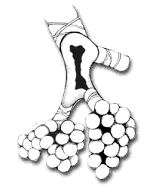 Airway Obstruction
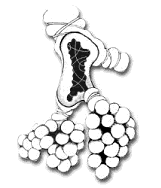 Inflammation and Airway Remodeling
 Programs and Services
 Clinical Trials