
Nicotine Pouches
Nicotine Pouches and the New Wave of Addiction
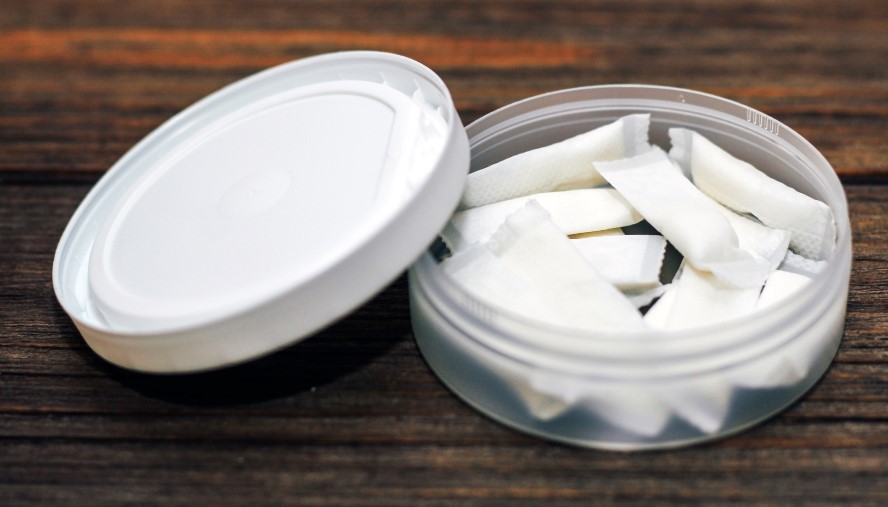 They’re small, discreet and can be used almost anywhere. Slip a nicotine pouch between your upper lip and gum, and most people around you will probably never notice. And if they do, some of them may believe that what you’re doing is harmless, or even healthy.
The convenience of nicotine pouches and the misconceptions surrounding their health impact are a big reason for their recent boom in popularity. Between January 2023 and August 2025, total monthly sales in the United States increased by more than 250%, according to tobacco monitoring data analyzed by the CDC Foundation (Opens in a new window). Use among youth and young adults also nearly quadrupled from 2022 to 2025, reaching 3.5%.
“When you see that figure of 3.5%, it doesn’t sound like much at first,” said Maggie Britton, PhD, a tobacco cessation expert at National Jewish Health. “But it’s the quadrupling rate of increase that’s worrisome.”
Equally troubling, according to Dr. Britton, is the way these products are being marketed. The playbook has been eerily similar to how vapes were promoted — originally advertised as a safer alternative or even as a tool to help people quit traditional nicotine products.
Like vapes, nicotine pouches are also sold in an array of flavors, including mint, black cherry, dragon fruit, strawberry and cinnamon, which may appeal to younger users.
“We are seeing an explosion of use among young people,” said Dr. Britton, “and among what we would call the ‘nicotine-naive,’ people who have never used nicotine or tobacco products before. And that’s partly due to the messaging regarding their health impacts. If someone is smoking cigarettes and they completely switch over to pouches, is it less harmful to their health? Yes, I think we can say that's true, but does that mean they’re safe? No.”
“Tobacco-Free” Does Not Mean Risk-Free
The absence of smoke, vapor and tobacco leaves has helped create the impression that nicotine pouches are a clean or harmless alternative to traditional tobacco. However, Dr. Britton cautions that the products still expose users to an addictive drug and may pose risks that researchers are only beginning to understand.
Nicotine pouches contain nicotine powder, flavorings and other ingredients. Unlike chewing tobacco or snuff, they do not contain tobacco leaves. Users place a pouch between the lip and gum, where it releases nicotine that is absorbed through the tissues of the mouth.
Nicotine pouches are frequently promoted as “tobacco-free.” Technically, that description refers to the absence of tobacco leaves. It does not mean the products are free of nicotine or free of health risks.
“When people hear tobacco-free, they think harm-free. They think safe,” said Dr. Britton. “That’s one of the major misconceptions. Nicotine pouches are still considered a tobacco product. Even though they don't have the tobacco leaf in them, they have extremely high concentrations of nicotine. And we're seeing that the average amount of nicotine in the pouches is continuing to go up over time.”
Nicotine stimulates the nervous system and can temporarily increase alertness. That effect has helped companies and online influencers promote pouches as tools for concentration, productivity or athletic performance.
“Is there a short-term benefit? Yes. It’s a stimulant,” said Dr. Britton. “You’re going to notice that short term.”
The problem is that nicotine consumption is rarely a short-term engagement. Nicotine exposure can lead to dependence, cravings and withdrawal symptoms, once the user has become addicted. A person who begins using pouches for a quick mental boost may find that they soon need nicotine simply to feel normal or maintain concentration.
The risk of dependence varies from person to person. Age, frequency of use, nicotine strength, genetics and previous substance use may all play a role. Younger users and people who start with higher-dose products may become dependent more quickly.
The CDC Foundation’s TEEN+ study found that, among nicotine pouch users under 21, nearly two in five users reported using pouches more than five days during the previous month. Among users age 21 or older, more than three in five used the products with the same frequency.
Most of the young pouch users in the study also reported using at least one other tobacco product such as vapes, cigarettes or cigars. That pattern challenges the idea that nicotine pouches are being used as a tool to quit more dangerous tobacco products.
Nicotine Health Risks
According to Dr. Britton, the health risks of nicotine pouch use are especially serious for teenagers and young adults because of how nicotine can disrupt brain development.
Nicotine exposure can interfere with areas of the brain involved in attention, learning, mood and impulse control. While nicotine may briefly create a sense of improved focus, repeated use can eventually make concentration and emotional regulation more difficult. “That's particularly true for teens and young adults who still have developing brains,” said Dr. Britton, noting that most people’s brains will continue to grow into their mid to late 20s.
“There may be an immediate positive jolt, but over time what you’re seeing is a negative effect on the brain.”
Nicotine also affects the cardiovascular system. It can raise heart rate and blood pressure by stimulating the release of stress hormones. These effects may be especially concerning for people with high blood pressure, heart disease or other cardiovascular risk factors.
“If you’re predisposed to heart disease or high blood pressure, it’s going to make those problems worse. We have decades of evidence for cigarettes related to this, of course. But we won’t have the full picture for nicotine pouches until we have more long-term data.”
The effects of placing these pouches directly against the gums are also receiving more attention. Dentists and researchers have reported irritation where pouches are held, along with cavities, gum recession and mouth lesions.
“These are concerning signs, and we’re just at the beginning of this product’s larger adoption. For instance, it will take decades before we know what the cancer risk will be. Given our understanding of related nicotine products, I think it’s safer to avoid these pouches, rather than make yourself a guinea pig.”
Addressing Nicotine Pouches with Young People
Because of nicotine pouches’ potential health risks, parents should learn what these products look like and how they’re used. Pouch containers may resemble mint or candy tins, and young people can use the products without producing smoke, vapor or odor.
Calm, open conversations are more effective than scare tactics. Parents can ask whether their children have seen pouches at school, among friends or on social media. They can also discuss the reasons someone might be tempted to use them such as stress, curiosity, peer pressure or the promise of better concentration.
According to Dr. Britton, the best practices for talking to kids about vaping should also apply to nicotine pouches. It’s possible that they’re less harmful than cigarettes, but less harmful doesn’t mean harmless.