
Nontuberculous Mycobacteria (NTM)
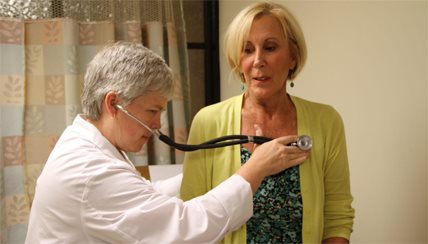 Nontuberculous mycobacteria (NTM) are types of germs that cause human disease. NTM is an infectious disease like tuberculosis (TB), but it does not cause TB. There has been a steady increase in the number of people with NTM infections over time. The elderly and those with immune system diseases are especially at risk.
National Jewish Health was founded more than 100 years ago as a tuberculosis hospital. Since that time, we have grown to become the leading respiratory hospital in the U.S. Our infectious disease doctors are nationally recognized experts who treat hundreds of patients with NTM each year. They work with our specialized laboratories to select the right medicines and doses for each patient’s disease. This reduces medication side effects and toxicity which is common with NTM drugs.
Our doctors are researchers too, so you have access to the latest NTM clinical trials and most effective therapies.
NTM Care at National Jewish Health
At National Jewish Health, you’ll find:
- The Nontuberculosis Mycobacteria (NTM) Center of Excellence
- Health care that is focused on each individual
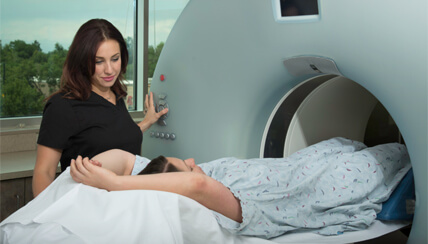
- State-of-the-art diagnostic testing
- The latest in NTM clinical trials
Learn more about Nontuberculous Mycobacteria (NTM) Treatment Programs.
Condition Information
Programs & Services

Doctors
-
Nicole Borroff, RDN, CLC
-

Charles L. Daley, MD
-
Elizabeth A David, MD, MAS
-
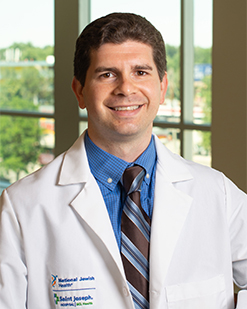
Jared J. Eddy, MD, MPhil, MSc, FIDSA
-

Yakira M Gruber, PT, DPT, OCS
-
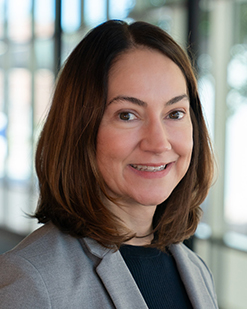
Michelle Haas, MD
-

Michelle MacDonald, MS, RDN, CDE
-
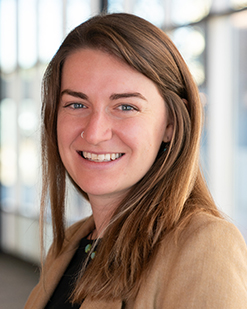
Chandler Tucker, RDN
 Call 1.877.CALL.NJH
Living with NTM


 Clinical Trials
For more than 100 years, National Jewish Health has been committed to finding new treatments and cures for diseases. Search our clinical trials.
Patient Stories
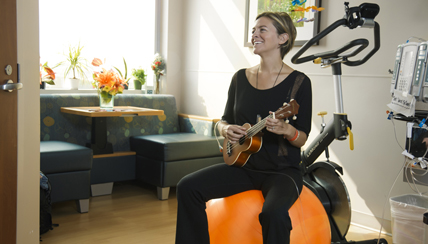
Specialized Care Helping Cystic Fibrosis Patient Breathe Easier
“I experienced a new level of interest, expertise and professionalism at National Jewish Health and Saint Joseph Hospital. The resources here are incredible.”